Tips for Winning Over Your Girlfriend’s Family (Without Being Fake)

We don’t need a script to win over her family—just a game plan. We’ll map the dynamics, bring a small consumable gift, and show up as our polished selves. We’ll ask curious questions, share quick, human stories, and quietly pitch in when it counts. We’ll avoid hot-button debates, back up our partner subtly, and send a warm follow-up that recalls a specific moment. Want the moves that make this effortless—and real?
Do Your Homework on Family Dynamics

Before we show up with flowers and charm, let’s map the terrain. We’re not playing detective; we’re learning the system. Who anchors decisions? That’s where family hierarchies matter. Is Mom the quiet CEO or is Grandma the board chair? Let’s notice communication patterns, too—rapid-fire jokes, careful pauses, or text-first updates. We can ask our girlfriend for context: sensitive topics, sacred traditions, names that matter. Then we mirror respect: pronounce names correctly, read the room, match tone without mimicry. We’ll prepare one or two conversation starters tied to their interests. With a little intel, we’ll show up aligned, not performative.
Bring a Thoughtful, Low-Key Gesture
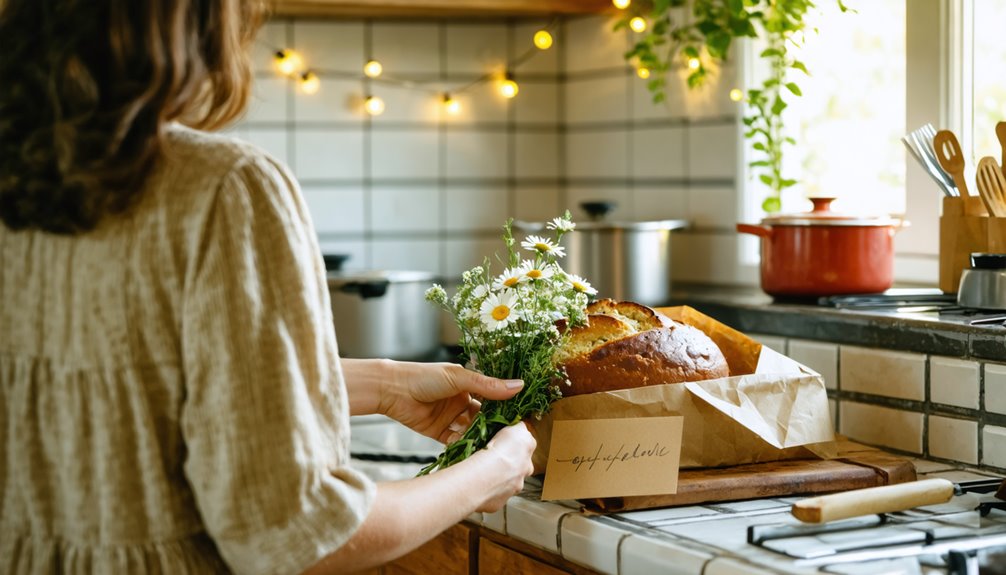
Let’s start small and get it right: we bring something that says “we see you,” not “we’re here to impress.” Think consumable and considerate—fresh bread from a local bakery, seasonal fruit, a candle that doesn’t overpower, or a bag of their favorite coffee. We’re signaling attention, not extravagance. A tiny, well-chosen gesture lands better than a grand performance and keeps the spotlight on the visit, not us.
- Ask your partner what their family actually likes.
- Choose one item; two feels extra.
- Add a brief handwritten note—warm, specific, simple.
- Hand it over casually, then pivot to conversation.
Dress Like Yourself—Just Polished

The small gesture sets the tone; our clothes keep it steady. We don’t need a costume change, just a sharper version of ourselves. Think casual elegance: clean lines, unfussy layers, and shoes that say we tried without screaming about it. Fit beats flash. Neutral colors do the heavy lifting; texture adds interest. Personal grooming matters—trim nails, tamed hair, a subtle scent, pressed fabric. We skip loud logos and wrinkled anything. If we’re unsure, we dress half-step nicer than our everyday. A crisp tee under a jacket, dark denim, or chinos—done. We look like us, only edited for prime time.
Lead With Curiosity and Open-Ended Questions
How do we make a strong first impression without overselling ourselves? We lead with curiosity. Open-ended questions unleash connection and show we’re genuinely interested. Instead of listing our wins, we invite their stories and listen for details—favorite hobbies, travel dreams, family traditions. Curiosity lowers pressure and builds trust fast.
- What’s your favorite part of weekends, and how did that become a habit?
- If you could plan a no-rules dinner, who’s there and what’s on the table?
- What place sits at the top of your travel dreams—and why?
- What’s something you’ve learned recently that surprised you?
Share Stories, Not Self-Promotion
Let’s keep it real, not rehearsed—no highlight reels, just moments that actually happened. We lead with quick, human anecdotes that show what we value, then hand the mic back and say, “What about you?” When we trade stories instead of resumes, we build trust fast.
Be Real, Not Rehearsed
Someone can sniff out a performance from across the dinner table, so we skip the elevator pitch and trade it for moments that sound like us. We don’t polish; we show up human. That means we name our personal quirks without apology and let childhood memories surface naturally. We own what we don’t know, ask questions, and listen like it matters. Real beats rehearsed because sincerity scales—one honest moment builds trust faster than five perfect facts.
- Admit a small mistake; laugh first.
- Share a humble win; keep it brief.
- Ask about traditions; connect thoughtfully.
- Match energy; don’t mirror mannerisms.
Lead With Anecdotes
Kick things off with a story, not a résumé. When we meet her family, we skip the flex and share a slice of real life—those childhood woes that made us scrappy, the awkward traditions that still make us laugh. Narratives beat bullet points because they show judgment, humor, and resilience without sounding salesy. We frame wins as moments, not medals: the burned Thanksgiving pie, the botched haircut before prom, the summer job that taught patience. Short, vivid, honest. We connect by painting scenes they can picture, not stats they’ll forget. Stories spark recognition—and quietly say, “We’re here to belong, not perform.”
Invite Their Stories
We’ve told a few real moments; now we make space for theirs. Let’s invite stories that spotlight them, not us. Curiosity builds trust, and small prompts open the good stuff—memories, values, inside jokes. We listen, echo key details, and connect lightly without hijacking. Keep it simple, warm, and specific.
- Ask about Childhood hobbies: “What kept you busy after school?” Then follow up—“Do you still do it?”
- Explore Favorite recipes: “Which dish screams ‘home’?” Offer to help make it.
- Cue family legends: “What story always gets told?”
- Bridge gently: relate one parallel, then pivot back with, “Tell me more.”
Read the Room and Match the Energy
Often, the smartest move is to pause, scan the vibe, and mirror it. We read the room like a playlist: observe volume, pace, and humor. If everyone’s animated, we match that spark. If it’s mellow, we soften our tone. We ask small, safe questions—weather trends, weekend plans, music preferences—to sense tempo without stealing focus. We clock who leads conversations and who hangs back, then adjust our cadence. We don’t overperform; we echo. We watch body language—lean-in means green light, crossed arms means downshift. Matching energy signals respect, lowers friction, and helps us blend in while staying comfortably ourselves.
Handle Sensitive Topics With Grace
Now that we can match the room’s energy, we’re ready for the trickier stuff—those touchy subjects that surface over dinner. We keep it calm, curious, and concise. When politics, money, or religion pop up, we don’t debate to win; we listen to learn. We validate feelings, share our own story, and steer toward common ground like childhood memories or future goals that unite everyone.
- Ask open questions, then pause—silence invites honesty.
- Reflect back what we heard to show respect.
- Share personal context, not sweeping claims.
- Pivot gracefully: “That’s thoughtful—how did your childhood memories shape your future goals?”
Offer to Help and Follow Through
Pitch in early and mean it. We don’t wait to be asked; we scan the room and jump in. Grab plates, start kitchen cleanup, or take out trash without a big announcement. If Dad mentions a squeaky door, we offer to look—and actually fix it. Little acts of service beat grand speeches. We set small promises and keep them: “We’ll bring ice,” “We’ll be there at six,” “We’ll handle dishes.” Reliability compounds trust. We avoid showboating; we underpromise, overdeliver. If we’re not great at fixing things, we still lend a hand, ask questions, and finish what we start. Follow-through signals respect.
Back Up Your Partner in Subtle Ways
Slide in beside her and have her back without making it a scene. We read the room, add quiet support, and let her shine. When someone talks over her, we circle back to her point. We share subtle praise that feels natural, not staged. We keep our private jokes light and respectful, signaling closeness without excluding anyone. Small moves, big impact.
- Echo her ideas: “I loved what she said about the trip.”
- Redirect heat: “Good question—she’s got the details.”
- Spotlight strengths: “She organized the whole thing.”
- Nonverbal cues: nods, gentle touches, timely laughter.
Send a Warm Follow-Up After the Visit
Let’s send a quick, warm note that thanks them sincerely and doesn’t sound canned. We’ll reference a specific moment we shared—like that joke with her dad or the recipe swap with her mom—so it feels personal. Then we’ll suggest a low-pressure next step, like grabbing coffee or sharing photos, to keep the connection going.
Express Genuine Gratitude
Often, the most powerful move after meeting her family is a sincere follow-up that shows we were present and appreciative. We don’t overthink; we keep it kind, quick, and real. Gratitude lands best when it’s specific and timely, so we aim for warm, human, and simple.
- Send thank you notes within 48 hours—handwritten if possible.
- Mention what meant most, and why it mattered to us.
- Offer a small gesture—surprise treats they’ll actually enjoy.
- Follow their lead on tone and frequency; don’t smother.
We’re not performing; we’re acknowledging kindness. That steady, thoughtful cadence builds trust and makes every future visit easier.
Reference Shared Moments
Call back the little moments that mattered and make them personal. After we leave, let’s send a quick note that proves we were present. Mention Uncle Ray’s fishing joke, the dog’s dramatic sigh, or the framed photo that sparked their childhood memories. We can add a sincere line about Mom’s favorite recipes—bonus points if we name the casserole or pie.
Keep the tone light, specific, and unforced. We’re not auditioning; we’re reflecting. Tie our appreciation to what we actually shared: the laughter, the stories, the warmth. Specifics show respect, build trust, and signal we paid attention—without overdoing it or sounding like a script.
Offer Thoughtful Next Step
Those specifics we noticed become the bridge to our next move: a warm follow-up that keeps the good energy going. We’ll send a quick text or note that thanks them, references a shared laugh, and tees up future plans that fit everyone’s rhythm. We’re signaling respect, attention, and mutual goals without overdoing it.
- Lead with gratitude: one clear thank-you, one vivid detail.
- Echo a shared moment, then suggest a light next step.
- Offer value—swap a recipe, share photos, propose dates.
- Keep momentum: confirm availability, invite input, and stay flexible.
We close the loop, build trust, and organically earn the next invite.
Conclusion
So let’s keep it simple: we show up as ourselves—polished, curious, and kind. We bring a small, thoughtful something, ask good questions, share quick, human stories, and quietly pitch in. We read the room, avoid hot buttons, and back our partner without making it a performance. Then we send a light, specific thank-you that nods to a shared moment. That steady, genuine follow-through? It’s how we earn trust—and go from guest to welcome regular.