The Worst Dating Advice People Still Believe (And What to Do Instead)

We’ve been sold dating myths that sabotage real connection—play hard to get, wait three days, don’t show too much interest, keep it casual. They breed ambiguity, not attraction. We can do better: be direct about intentions, set non‑negotiables, treat first dates as data, and look for consistent actions across contexts. We’ll show you how to stop guessing and start aligning. The most damaging “rule” of all? It’s likely the one we still defend.
Play Hard to Get and They’ll Want You More

Let’s cut through the noise: playing hard to get isn’t mysterious—it’s manipulative, and it backfires. We’re not boosting attraction; we’re breeding doubt. Confusion isn’t chemistry. Scarcity games train people to second-guess themselves and us, sabotaging trust before it starts. If we want magnetic connections, we show up with clarity.
Here’s the better move: be direct about interest, practice boundary setting, and keep standards high. Say what we feel without chasing or ghosting. Pace naturally, not theatrically. Ask thoughtful questions from genuine curiosity. Consistency becomes compelling. When our actions match our words, we create momentum—mutual, transparent, and sustainable. That’s irresistible.
Wait Three Days Before You Text
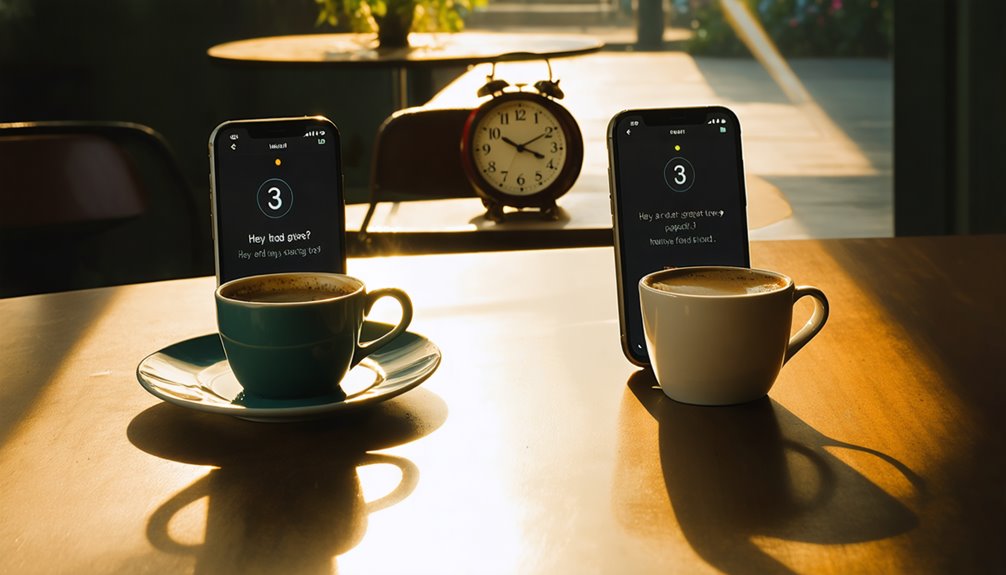
Forget the “wait three days” myth—we’re here to win with authenticity, not games. We text when we’re ready because real interest beats scripted timelines every time. Let’s set clear expectations up front so momentum builds and no one is guessing.
Authenticity Beats Games
Waiting three days to text is a relic that kills momentum and trust. Let’s retire the script. Authenticity wins because it shows we’re real, grounded, and emotionally intelligent. When we’re direct, we send powerful vulnerability signals without oversharing. We can express interest and keep consistent boundaries: reply when we’re available, say what we mean, and decline what doesn’t fit. Games create anxiety; clarity creates chemistry. If we liked the date, we say so. If we’re unsure, we pace respectfully. Honesty lets the right people lean in and the wrong ones fade. That’s not risky—it’s selective. Authentic connection requires courage, not choreography.
Text When Ready
Authenticity beats games, so we’re not clinging to the tired “wait three days” rule. We text when we’re ready—because momentum matters and silence kills spark. We watch timing cues without worshipping them, and we craft a message tone that sounds like us: warm, crisp, confident. Quick follow-ups aren’t desperate; they’re decisive.
1) Blue bubbles at 9:12 PM: a single line, playful punctuation, a clear invite.
2) Morning coffee buzz: a photo, two words, shared context—no essay.
3) Late-night glow: we mirror their cadence, then nudge forward.
We act, not stall. Interest is perishable. Send clear signals now; let chemistry breathe.
Set Clear Expectations
While some gurus still preach “wait three days,” we set expectations that serve momentum, not myths. We tell you plainly: silence isn’t mysterious; it’s confusing. Let’s practice expectation setting from the start. Say what pace works for you, then invite theirs. We propose boundary clarity: “I like texting the next day—does that fit?” That opens timeline agreement without pressure. If schedules are busy, define touchpoints: quick check-ins, weekly plans, no guessing. We align on mutual priorities—respect, responsiveness, and realism. When we agree on cadence, we remove anxiety, reward initiative, and amplify chemistry. Clear beats coy. Consistency beats games. That’s dating done right.
Don’t Show Too Much Interest

Let’s cut through the noise: the “don’t show too much interest” rule isn’t savvy—it’s self-sabotage. When we ration attention, we broadcast fear, not value. Healthy dating thrives on emotional availability and expressive reciprocity. Interest isn’t desperate; it’s data. It tells us whether there’s momentum or a mismatch, fast.
- Envision this: a clear text, a confident voice note, a warm smile on arrival—signal green lights, not games.
- Imagine two calendars aligning, not one ghosting while the other guesses—mutual pursuit beats mystery.
- See the spark grow when we acknowledge attraction promptly—clarity accelerates chemistry and filters time-wasters.
Opposites Attract More Than Similarities
We champion clear interest because it reveals compatibility fast—and that brings us to another myth worth retiring: “opposites attract” more than similarities. Extreme differences feel cinematic, but research and real life reward shared values, lifestyle rhythms, and communication styles. We don’t need clones; we need alignment on money, time, intimacy, and future goals. That’s where complementary strengths shine—your planning plus their spontaneity, not your ethics versus theirs. Similarity reduces friction and accelerates conflict resolution because you argue about logistics, not fundamentals. What to do instead: screen for core match, then invite contrast in hobbies. Chemistry thrives when foundations match.
Chemistry Should Be Instant or It’s Not There
Let’s call out the first-date spark myths—we’ve been sold a rom-com fantasy that sabotages real matches. Chemistry can build as trust, humor, and safety kick in, and research backs that momentum matters more than fireworks. We won’t chase instant sizzle; we’ll watch for growing warmth that actually lasts.
First-Date Spark Myths
Although rom-coms sell us lightning bolts, the “instant chemistry or bust” mantra wrecks promising connections. We’ve been duped by glow-up illusions: nerves, venue noise, and lighting effects can muffle real rapport. First dates are data, not a destiny verdict. We should read nonverbal cues, not chase fireworks. Let’s replace myth with method—observe, calibrate, decide.
1) Candlelit bar: dim lighting effects blur eye contact; we mistake mystery for magnetism.
2) Loud rooftop: overlapping chatter scrambles nonverbal cues; we misread pauses as disinterest.
3) Coffee shop glare: harsh brightness amplifies awkwardness; we conflate self-consciousness with incompatibility.
Calm curiosity beats spark-chasing—every time.
Chemistry That Grows
Because sparks can lie, real chemistry often arrives like a slow-burn track that hooks us on the third listen. We’ve been sold the instant-fire fantasy, but dopamine isn’t destiny. Attraction matures when we stack small moments: consistent texts, steady eye contact, a shared curiosity that keeps us leaning in. We notice reliability, humor under stress, and how they handle a waiter. That’s the slow burn doing surgical work—quiet, precise, undeniable. We don’t ignore attraction; we recalibrate it. Give promising matches two or three dates, vary the setting, ask sharper questions, and watch patterns. If interest keeps rising, that’s chemistry—earned.
Never Talk About Exes or Past Relationships
While some gurus swear we should never mention exes, that hardline rule backfires in real life. We’re not swapping sob stories; we’re signaling maturity. Brief, honest context shows self-awareness, reveals exes boundaries, and clarifies past impacts without performing therapy on a first date. We set the tone: no blame, no gossip, just lessons. That candor accelerates trust and filters mismatches fast.
- A closed door: “Here’s what I no longer tolerate—and why.”
- A compass: “Here’s what I choose now—communication, accountability, reciprocity.”
- A green light: “Here’s how we’ll handle conflict—transparent, timely, respectful.”
We acknowledge history, then build something stronger.
Keep Things Casual to Avoid Scaring Them Off
“Keep it casual” sounds safe, but ambiguity breeds insecurity and mixed signals that kill momentum. Let’s be bold: honesty attracts alignment, so we state what we’re looking for without apology. Then we pace with intentionality—steady, clear check-ins that keep chemistry high and expectations matched.
Ambiguity Breeds Insecurity
Even if it sounds savvy, the “let’s keep it casual so we don’t scare them off” mantra backfires fast: ambiguity breeds anxiety, not attraction. When we trade clarity for cool, we invite mixed signals and vague boundaries. That’s not mystery; that’s emotional roulette. Uncertainty spikes cortisol, fuels hyperanalysis, and pushes secure people away while rewarding the avoidant. We don’t need cold detachment; we need calibrated clarity—just enough definition to protect momentum and sanity.
1) Three dots on read receipts while we rehearse replies that never land.
2) A toothbrush at theirs, but no label on the relationship.
3) Weekend plans “maybe,” our calendars screaming “no.”
Honesty Attracts Alignment
Because attraction isn’t a hostage to ambiguity, we win more by saying what we want than by playing it cool. “Let’s keep it casual” isn’t a strategy; it’s a smokescreen that blocks the right match and feeds the wrong one. We signal strength when we name our standards, timeline, and non‑negotiables. Directness filters fast and protects our energy. We’re not auditioning; we’re aligning. Values clarity turns chemistry into compatibility. Honesty doesn’t chase people away; it escorts pretenders out. Let’s practice vulnerability without abandoning boundaries: “I’m dating for partnership,” “I value reciprocity,” “I won’t accept inconsistency.” Transparent intent attracts the courageous—and keeps them.
Pace With Intentionality
Though “going slow” sounds safe, drifting aimlessly kills momentum and invites mixed signals. Let’s replace vague “casual” with intentional pacing that respects interest and time. We’re not rushing; we’re steering. We set communication milestones, check compatibility, and keep desire warm without pressure. Clarity isn’t clingy—it’s confident, modern, and magnetic.
1) First three dates: name intentions, confirm mutual interest, schedule the next plan before the current one ends.
2) Two-week mark: align on exclusivity trajectory, preferred communication cadence, and weekend availability.
3) One-month review: discuss values, boundaries, and pace; decide next milestone.
We choose progress over drift. That’s how chemistry becomes commitment.
Always Split Everything 50/50 to Prove Equality
While fairness matters, turning every date into a ledger—insisting on a rigid 50/50 split to “prove” equality—misses the point of modern partnership. Equality isn’t math; it’s mindset. We’re building trust, not balancing receipts. Money autonomy matters, but so do shared values, context, and capacity. Sometimes one of us earns more, planned the night, or wants to treat. Other times, we split, alternate, or trade off gestures.
What to do instead: talk money early, set expectations, and choose a system that reflects our priorities. Reciprocity beats rigidity. Let generosity flow both ways, and measure fairness over time, not by each check.
If They Wanted To, They Would—No Exceptions
Fairness isn’t a receipt, and effort isn’t either. “If they wanted to, they would—no exceptions” sounds empowering, but it’s a blunt instrument that ignores context, communication styles, timing, and capacity. We don’t excuse neglect, but we do reject absolutism. Action matters—so does access, neurotype, burnout, fear, and bandwidth. We solve the mystery with clarity.
1) Picture a crowded week: messages drafted, never sent; interest real, execution late.
2) Picture a language gap: care shown in deeds, not texts.
3) Picture a boundary line: we state needs, then watch patterns.
We parse intent, prevent unreciprocated investment, and enforce consistent boundaries.
You’ll Just Know When It’s the Right Person
Because the myth sounds romantic, we cling to “you’ll just know” like a compass—then blame ourselves when the arrow spins. Let’s retire that fantasy. Chemistry is data, not destiny. Our gut feeling doubts aren’t glitches; they’re signals. Attraction reflects learned preferences evolution, culture, and timing—hardly mystical fate. We don’t “just know”; we discover by observing consistency, conflict repair, and shared values under pressure.
Do this instead: slow down, test alignment, verify words with actions. Track how you both handle feedback, money, stress, and no’s. If it deepens, great. If it cracks, also great. Clarity beats legend. Let evidence crown the right person.
Conclusion
Let’s retire the lazy myths and date like adults. We don’t play games; we set intentions, follow up fast, and watch actions over time. We test compatibility across real contexts, respect boundaries, and calibrate effort with real‑life constraints. We value shared values over “opposites,” chemistry that builds, and reciprocity that’s unmistakable. We don’t wait three days—we communicate clearly today. That’s how we accelerate alignment, filter mismatches sooner, and spot the real thing without confusion. That’s modern dating—on purpose.