10 Tips for Meeting Her Parents and Making a Great First Impression

Meeting her parents doesn’t have to feel like a high‑stakes audition. We can show up prepared, look the part, and bring the right energy—from a thoughtful gift to confident, polite greetings. We’ll focus on listening, using names, keeping conversation light, and respecting house rules and traditions. And yes, knowing when to offer help (and when not to) matters. Want the simple checklist that covers what to do before, during, and after?
Do Your Homework on Family Dynamics and Traditions
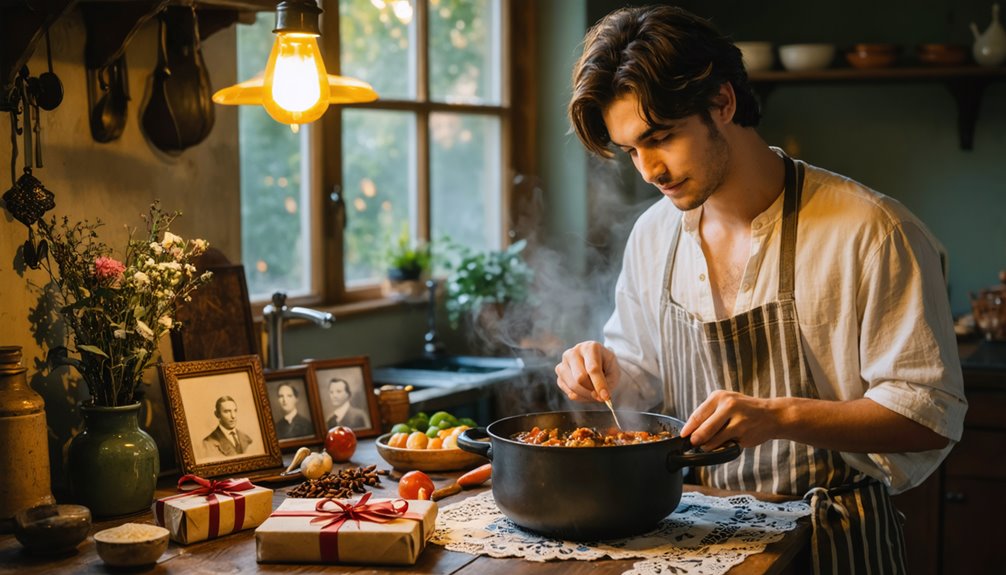
Before we walk through the door, let’s get smart about who we’re meeting. We ask questions early: who’s the decision-maker, who’s the joker, who keeps the peace? We learn names, pronunciations, and any sensitivities—topics to skip, stories they love. We preview family rituals and holiday customs: grace before meals, gift-opening rules, favorite dishes, time they eat. We note greeting styles—hugs, handshakes, shoes off at the door. We confirm conversation sweet spots: hometown pride, pets, teams, recent wins. We plan small compliments that feel specific. We bring a thoughtful nod to tradition, not a performance. Preparation lowers nerves and builds goodwill.
Dress Smartly to Match the Occasion and Setting

Signal respect with your outfit, not guesses. Let’s match the vibe: casual dinner, neat jeans and a crisp shirt; formal gathering, a tailored dress or blazer. We aim for clean lines, polished shoes, and seasonal fabrics—linen or cotton in heat, wool or knits when it’s cool. Colors? Neutral base with one intentional pop. Fit matters more than labels, so hem, steam, and lint-roll.
Think accessory moderation: classic watch, subtle earrings, slim belt—nothing clanky or distracting. Grooming seals it—fresh breath, trimmed nails, light fragrance. When in doubt, step one notch above the expected. We’ll look prepared, respectful, and effortlessly put-together.
Arrive on Time and Bring a Thoughtful, Appropriate Gift

Usually, the smoothest first impression starts with punctuality and a small, well-chosen gift. We plan our route, factor in traffic, and aim to arrive five to ten minutes early—calm, not rushed. For gifts, we keep it simple and thoughtful: ask discreetly about floral preferences, or bring a seasonal bouquet in a neutral palette. If they’re not into flowers, a locally roasted coffee, a small plant, or their favorite confectionery works. We avoid overly personal items, strong fragrances, or anything expensive. If there’s a host dish, we label it and include serving notes. Thoughtful beats flashy every single time.
Lead With Polite Greetings and Confident Body Language
- Stand tall with Open posture; avoid crossing arms.
- Offer a Firm handshake without crushing.
- Lead with a Warm smile that reaches our eyes.
- Maintain Calm eye contact, then briefly glance away.
We project confidence, kindness, and composure from the first second.
Use Names, Make Eye Contact, and Listen More Than You Speak
Often, the simplest moves make the strongest impression: we use their names early and naturally, meet each person’s eyes when they speak, and slow down enough to really listen. We repeat names to lock them in, ask clarifying questions, and let pauses breathe. Attentive posture and nods show we’re present. When they mention Favorite hobbies or Childhood memories, we lean in and reflect back details. That signals respect and warmth without overtalking.
| Cue | What We Do | Why It Works |
|---|---|---|
| Name used | “Thanks, Linda.” | Builds rapport |
| Eye contact | Soft, steady | Conveys trust |
| Listen first | Recap briefly | Proves care |
Keep Conversation Light, Positive, and Inclusive
We’ve set the tone by listening well; now we steer the chat toward light, upbeat topics everyone can join. We keep things inclusive by asking open questions, inviting stories, and looping everyone back in. No debates, no heavy issues—just friendly, low-stakes conversation that lets personalities shine.
- Ask about favorite hobbies and share a quick, relatable tidbit.
- Compare weekend plans and suggest a simple activity everyone might enjoy.
- Swap travel dreams—bucket-list places spark easy smiles and memories.
- Mention local events to create natural, near-term touchpoints.
We pivot smoothly, celebrate small connections, and keep the energy balanced so nobody feels sidelined.
Share Who You Are Without Oversharing
Let’s give them a real sense of us by highlighting our core values—how we treat people, what matters to us, and what we’re building. We can share hobbies, work goals, and family traditions without opening the door to past relationship drama, money issues, or politics. Keep it warm and authentic, but set smart boundaries.
Highlight Core Values
Confidence meets clarity when we share the values that shape how we show up—kindness, curiosity, reliability—without dumping our entire life story. Let’s highlight core beliefs with simple, concrete snapshots that feel natural in conversation. We can connect our childhood influences to how we treat people today, then pivot back to them. Keep it warm, brief, and specific—enough to build trust, not a memoir.
- We volunteer because service anchors our core beliefs.
- We plan ahead; reliability shows up in small habits.
- We ask questions; curiosity keeps learning alive.
- We respect time and boundaries; consideration guides choices.
Skip Sensitive Details
Those core values set a solid vibe; now we keep it smart by sharing enough without spilling everything. We lead with light, relatable bits: favorite hobbies, weekend routines, and travel goals. We skip money talk, medical history, past relationship drama, and polarizing opinions. If they ask, we pivot: “We’re focused on work and staying active.” Share cheerful childhood memories without deep family conflicts. Keep details crisp—where we grew up, what we enjoy cooking, the podcasts we love. We offer curiosity back, ask about their traditions, and mirror their tone. That balance shows respect, confidence, and good judgment without oversharing.
Be Helpful: Offer to Set Up, Serve, or Clean Up
Jump in early and pitch where you can—offer to set the table, pour drinks, or tackle dishes without being asked. We’re signaling we’re team players, not guests waiting to be waited on. A quick setup checklist helps us move smoothly: napkins, cutlery, glasses, serving bowls. During dinner, we can refill water, pass platters, and keep the vibe relaxed. Afterward, don’t hover—act.
- Clear plates efficiently, stack similar items
- Rinse, load the dishwasher, start a cleanup rota
- Wipe counters, fold towels, reset the sink
- Ask for leftovers containers, label and store
We leave their kitchen better than we found it.
Respect House Rules, Boundaries, and Cultural Norms
Let’s set ourselves up to succeed by asking about expectations before we arrive—curfew, shoes off, phones at dinner, all of it. We’ll follow their household etiquette without pushback and mirror the tone they set. And if they have cultural practices—greetings, food rituals, prayer—we’ll honor them respectfully and ask polite questions when we’re unsure.
Ask About Expectations
Before we step through the door, we should ask our partner about their family’s expectations—house rules, boundaries, and cultural norms—to avoid accidental missteps. A quick chat now saves awkward guesses later and shows respect. Let’s clarify comfort levels and conversation zones so we can focus on connection, not confusion.
- Greeting style: handshakes, hugs, or a simple hello?
- Topics to highlight: favorite hobbies, hometown stories, future goals.
- Sensitive areas: politics, money, or past relationships to steer around.
- Timing cues: arrival, gifts, and how long we should stay.
When we ask first, we show maturity, thoughtfulness, and genuine interest in their world.
Follow Household Etiquette
Now that we’ve asked about expectations, we can show respect by matching the household’s rhythm the moment we step in. Let’s take cues quickly: where shoes go, how greetings happen, and who sits where. If there are quiet hours, we keep voices soft, pause loud videos, and silence notifications. We ask about kitchen routines before grabbing glasses or loading the dishwasher. We tidy what we use, wipe counters, and never rearrange. Pets? We follow their rules. We don’t overstay, hover, or monopolize conversation. When unsure, we ask briefly, then adapt. Small signals—closed doors, dim lights, set tables—guide us. We read, respect, and blend.
Honor Cultural Practices
Even if we grew up differently, we show up curious and flexible about their traditions, rituals, and boundaries. We ask questions respectfully, observe first, and match the tone of the room. If there are traditional greetings, we learn them—names, gestures, honorifics—so we don’t stumble. When ceremonial attire is expected, we clarify what’s appropriate and wear it neatly. We keep phones away, offer help, and let elders lead.
- Learn the purpose behind customs before participating.
- Mirror traditional greetings and pacing.
- Confirm ceremonial attire expectations beforehand.
- Follow boundaries on food, prayer, photos, and spaces.
Respect signals maturity and deep care.
Follow up With Gratitude and a Personal Touch
Sending a thoughtful follow-up does more than check a box—it shows respect and keeps the connection warm. After the visit, let’s send a brief thank you note that references a shared memory—maybe the story about their first concert or the recipe we loved. That detail proves we were present.
We can add a small gift if it fits: local coffee, a favorite jam, or a framed photo from the day. Keep it simple, not showy. Then schedule a quick follow up call within a week to say we got home safely and enjoyed meeting them. Consistency builds trust and momentum.
Conclusion
Let’s wrap it up: when we meet her parents, we’ll prep smart, dress right, show up on time, and bring a modest gift. We’ll greet warmly, use names, make eye contact, and listen more than we talk. We’ll share just enough, steer clear of hot-button topics, and pitch in with setup or cleanup. We’ll respect house rules and traditions, mirror the vibe, and follow up with a thoughtful thank-you. Do this, and we’ll leave a standout first impression.