Dating Safety Tips: Protect Yourself While Finding Love

We all want meaningful connections, but staying safe comes first. We can vet profiles, verify photos, and use a quick video chat before meeting. Let’s limit personal info, tighten privacy settings, and plan public meetups with our own transport. We’ll set boundaries on alcohol, photos, and money, and watch for pressure or manipulation. Sharing our plans and using check-ins adds a layer of protection. Ready to see how these steps work in real situations?
Vet Profiles and Verify Identities Early
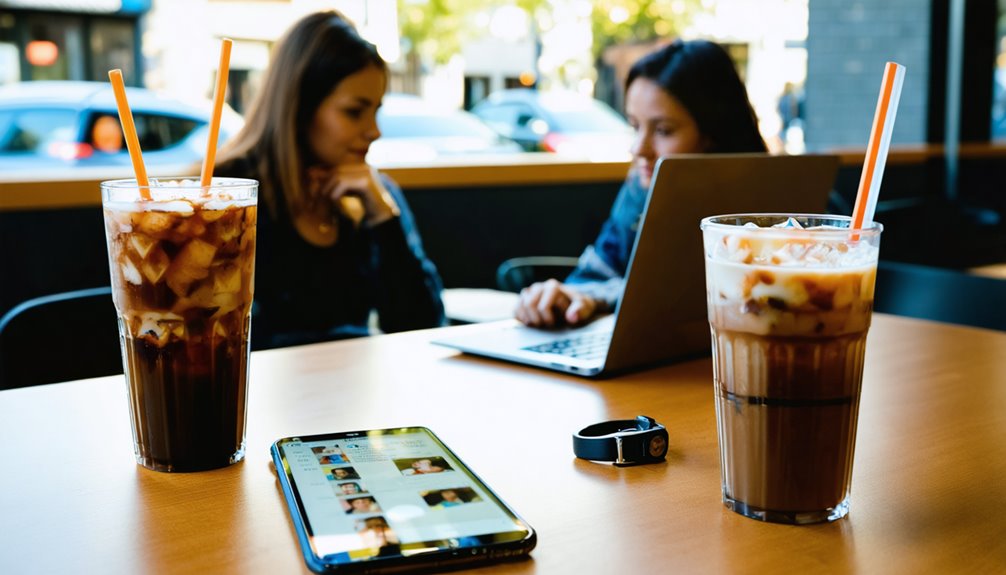
Before we swipe right or send a message, we should vet profiles with a critical eye and verify identities early. We start by examining bios and photos for consistency: dates, locations, and details should align. When available, use in‑app photo verification to confirm recent images. We can run a reverse lookup on profile photos to spot stolen images or multiple identities. Cross-check public social profiles for mutual connections, activity, and timeline coherence. Video chat before meeting to confirm voice, appearance, and vibe. If something doesn’t match, we pause. We set boundaries, document concerns, and disengage from profiles that resist reasonable verification.
Protect Your Personal Information Online

Let’s lock down what we share and where it goes. We limit exposure by checking privacy settings on dating apps and linked social accounts, disabling location tags, and reviewing visibility of past posts. Data minimization helps: we don’t reveal our full name, workplace, or routine. We practice pseudonym use until trust develops and move conversations gradually.
We scrub metadata from photos and consider photo watermarking to deter reuse. We avoid connecting banking, email, or cloud services. We use unique emails, strong passwords, and multifactor authentication. Finally, we monitor breach alerts and remove outdated profiles or content that could identify us offline.
Spot Common Red Flags and Manipulation Tactics

Even when a match looks promising, we stay alert to patterns that signal risk. We notice sudden lovebombing—grand declarations, constant messages, and rushed commitment—because it often shifts into control. We watch for gaslighting patterns: denial of facts we witnessed, trivializing our feelings, or blaming us for their behavior. Isolation tactics, like discouraging us from friends, are red flags. So are boundary-pushing, jealousy framed as “care,” inconsistent stories, and pressure for secrecy or money. We track how they handle “no,” disagreements, and accountability. We document concerning interactions, slow the pace, and recalibrate. Our intuition matters; consistent respect and transparency are nonnegotiable.
Plan First Meetings With Safety in Mind
For first meetings, we stick to public places with good lighting and staff, and we confirm details ahead of time. We share our plans—who we’re meeting, where, and when—with a trusted contact and set a check-in time. We also control our transport by getting ourselves there and back, avoiding rides from someone we’ve just met.
Meet in Public
Often the safest way to start is to meet in a public, well‑lit place with plenty of people around. We choose well lit venues where staff are visible and exits are clear. Coffee shops, museums, and busy parks let us gauge comfort quickly and leave smoothly if needed. We set time limits, arrive separately, and keep transportation independent. Group activities work well for early meetings because they reduce pressure and add structure. We stay sober‑minded, keep valuables minimal, and trust our instincts. If anything feels off, we pause and reassess.
| Option | Why It Helps |
|---|---|
| — | — |
| Coffee shop | Consistent foot traffic |
| Museum | Monitored spaces |
| Food hall | Multiple exits |
| Public park | Open sightlines |
| Trivia night | Built‑in group activities |
Share Your Plans
Meeting in public sets a solid baseline, and we strengthen it by telling someone we trust where we’re going, who we’re meeting, and when we expect to check in. We share the venue, time, and profile details, then confirm a midpoint and end-time message. If plans shift, we update promptly. We add emergency contacts to our phones and enable shareable location for the duration. We agree on code words for dates—one meaning “call me,” another meaning “pick me up now,” and a third meaning “call emergency services.” We keep our phones charged and notifications on to guarantee timely communication.
Control Your Transport
Map out our own way there and back so we’re not dependent on a stranger for rides. We prioritize transport independence to stay flexible and safe. Solid route planning helps us choose lit streets, transit hubs, and backup exits. We verify schedules, charge phones, and keep cash or a card ready. We avoid sharing home addresses; we meet near reliable transport and park for an easy exit.
| Plan | Purpose |
|---|---|
| Primary route | Fastest, well-lit path |
| Backup route | Detour if conditions change |
| Arrival buffer | Time to assess surroundings |
| Exit trigger | Pre-set reason to leave |
We trust observations, adjust plans, and depart promptly.
Share Your Plans and Use Safety Check-Ins
We should tell a trusted friend where we’re going, who we’re meeting, and when we expect to check back in. We can text plans before we leave and set a firm check-in time. If we change venues, we update them. We establish an emergency codeword to signal we need help without raising suspicion. Location sharing can run during the date with battery-conscious settings and auto-expiration. We confirm our friend knows when to escalate if we miss a check-in. Afterward, we message that we’re safe. We review what worked, adjust timelines, and keep contacts current so our safety routine stays reliable.
Maintain Control of Transportation and Location
After lining up check-ins, maintaining control of how we get to and from a date keeps us safer and more flexible. We choose transportation we can start and end on our terms, and we meet in public places we’ve vetted. Solid route planning and venue control reduce surprises and help us pivot if dynamics change.
- Drive ourselves, use vetted rideshare, or public transit we recognize; avoid relying on a date for rides.
- Meet at the location; don’t share home addresses early.
- Map alternate routes and set a clear departure time.
- Select well-lit, staffed venues; confirm hours, exits, and nearby safe fallback spots.
Guard Your Drinks and Set Substance Boundaries
Let’s guard our drinks by keeping them in sight, opening them ourselves, and not accepting beverages we didn’t see poured. We’ll set clear limits on alcohol or other substances before the date and stick to them. We should also recognize drug risks, know common signs of tampering, and seek help immediately if something feels off.
Watch Your Beverage
Often overlooked but critical, watching our beverage is one of the simplest ways to stay safer on a date. We treat drinks like valuables: visible, in hand, and never abandoned. That helps us avoid spiked drinks and respond quickly if something seems off. We also inspect containers and note who pours, who carries, and where it sits.
- Order sealed bottles or cans when possible; inspect containers before sipping.
- Keep drinks within sight and control; take them to the restroom if needed.
- Decline “mystery” shots or shared cups.
- If taste, color, or smell changes, stop drinking immediately and get help from staff or trusted contacts.
Set Clear Limits
While a great conversation can blur boundaries, we stay safer when we set clear limits before the date and stick to them. We decide our drink count in advance, keep beverages in sight, and decline top-offs we didn’t request. We choose meeting times, locations, and exit plans, then communicate them clearly. We define personal boundaries—how much we share, what touch is welcome, and when we end the evening. We identify emotional limits, including topics we’ll pause and revisit later. If someone pushes, we restate our line once and leave if needed. Our comfort guides the pace; no explanation is required.
Recognize Drug Risks
Clear limits also help us spot and prevent drug-related risks. We guard our drinks, watch them poured, and keep them in sight. We discuss substance boundaries early and stick to them. That reduces exposure to hidden substances and supports overdose prevention if something goes wrong. We also plan how to exit if a date pressures us.
- Order sealed beverages; decline shared containers and mystery shots.
- Carry test strips where legal; verify venues’ safety practices.
- Use a buddy system, check-in timers, and ride-share pins.
- If symptoms appear—dizziness, confusion, sudden sedation—seek help, call emergency services, and preserve evidence by saving the drink.
Communicate Clearly and Enforce Boundaries
Even before we meet someone new, we should decide what we’re comfortable with and state it plainly. We set expectations early, model consent culture, and use direct language: “I don’t share locations,” “No alcohol on first dates,” “Please ask before physical contact.” We also plan boundary reinforcement: if someone pushes, we restate once, then change the topic or end the interaction. Clear messages reduce confusion and show respect for everyone’s time.
| Practice | Example |
|---|---|
| State limits | “I leave by 9.” |
| Define pace | “Text, not calls.” |
| Clarify touch | “Ask first.” |
| Protect data | “No selfies.” |
| Reset pressure | “That’s a no.” |
Trust Your Instincts and Exit Safely
Because our gut often notices risks before our mind does, we treat unease as useful data and act on it. We listen to Gut feelings—tightness, racing thoughts, sudden dread—and prioritize distance over politeness. We plan an Exit strategy before meeting and use it without apology when something feels off.
- Choose public venues near transit, keep your phone charged, and share your location with a trusted contact.
- Arrange your own transportation; avoid rides you can’t control.
- Use coded check-ins to trigger a graceful exit.
- If pressure escalates, leave immediately, head to staff or crowds, and message your contact while moving.
Post-Date Reflection and Ongoing Safety Habits
After we get home, we pause and review the date with a cool head: what felt safe, what raised questions, and what boundaries we maintained or need to reinforce. We jot quick notes using post date journaling so patterns don’t blur. Did plans match reality? Were spaces public, exits clear, payment transparent, and transportation reliable? We update safety habit tracking: check-ins completed, location sharing active, backup ride options ready. If something felt off, we adjust next steps—daytime meetings, shorter timelines, or a friend on standby. When it feels right, we still pace intimacy, verify identities, and keep communication on-platform.
Conclusion
As we navigate modern dating, let’s keep safety front and center. We’ll verify profiles, protect our information, and watch for red flags before meeting. We’ll choose public places, control our transportation, and share plans with a trusted contact. We’ll guard our drinks, set clear boundaries, and use check-ins and exit strategies. If something feels off, we’ll trust our instincts and leave. Afterward, we’ll reflect, adjust our habits, and stay consistent—so we can date confidently and protect our well-being.